

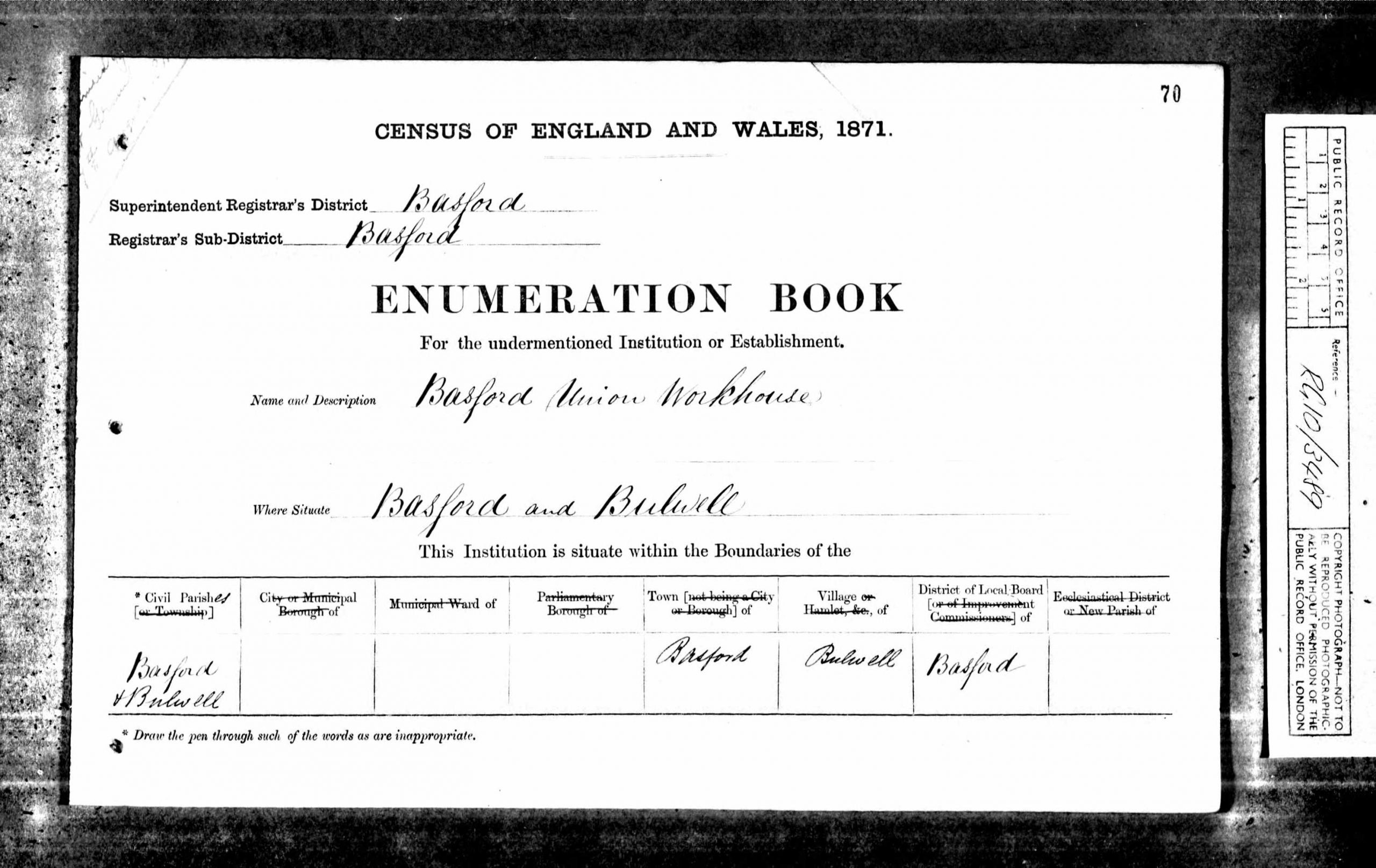
You know, in this digital world, digging into your family history feels more doable and thrilling than ever. If you’re just starting to trace your roots or you’ve been at it for years piecing together a family tree, the right tools and a few smart approaches can really bring those old stories to life. I’ll walk you through some of my favourite genealogy tools and tips here, nothing fancy, just what works to get you going or fine-tune what you’re doing. With all these online records and DNA tech out there, it’s a great moment to explore where you come from. Since we’re in the UK, I’ll focus on tools that shine for British and Irish ancestry, like those with strong census, parish, and military records.
Why Genealogy Takes Time and Experience… and Why That’s Okay
Before we jump into the tools, let’s talk straight about something I wish I’d known earlier: genealogy isn’t a quick hobby, it’s seriously time consuming and this is the part of what makes it so rewarding. Building real experience comes from patiently sifting through records, cross-checking details and sometimes hitting dead ends that take weeks to sort out. Rushing through it? That’s where mistakes creep in. Your time is the most valuable asset, so take it slow and verify every step, this way you’ll avoid chasing wild geese. The biggest pitfall (which Ive fallen into myself) is copying someone else’s tree without double and triple checking the details. These shared trees online are handy for ideas, but they’re often riddled with errors, wrong connections, mixed up dates, or even assumptions that can send you miles off course from the real truth. Trust me, building your own from scratch, even if it takes longer, keeps things accurate and makes the discoveries feel like your true family. If your research focuses on Nottingham or the East Midlands, professional local knowledge can often save months of work.
Tools I Use for Serious Family History Research.
Picking solid genealogy tools can change everything in your ancestry search. I’ve pulled these from sites I use myself and what The National Archives recommend. These are strong options for 2025.
- Ancestry.co.uk
It’s one of the big players in family history research, with over 30 billion records, including UK censuses, birth and death certificates, and parish registers. The AI hints and shared family trees can help for beginners but don’t use them as a crutch. Subscriptions start around £12.99 a month in 2025, and you can link in DNA testing for more depth. It connects your results to ancestry databases and suggests finds automatically, brilliant for British lines. - Findmypast.co.uk
This one’s a gem for UK and Irish roots, essential for European ancestry research. It has exclusive newspaper archives, military records, and the 1921 Census, with regular updates in 2025. Monthly subscriptions run around £10.99, and the tree builder pairs nicely with DNA. If your family’s from these isles, start here. - FamilySearch.org
This free site from the Church of Jesus Christ of Latter-day Saints has a huge stash of digitized records from all over, including loads of UK parish and census data. It’s ideal for no-cost genealogy work, with things like their Family Tree app for teaming up with others. In 2025, the AI helping with old handwriting is a real help for British family tree projects. - MyHeritage
I like its easy setup and worldwide reach. 19 billion records, plus tools to spruce up old photos. The DNA matching links you to relatives anywhere, with strong European coverage. Premium access is about £99 a year, great if you’re weaving in pictures and tales into your family history. - AncestryDNA or Living DNA
For the genetic side of genealogy, kits like AncestryDNA at £79 or Living DNA (UK-focused, £99) give you ethnicity breakdowns and cousin connections. With better privacy and regional UK insights in 2025, they help confirm what you’ve found on paper. Living DNA is especially good for British Isles breakdowns. - Family Tree Maker or RootsMagic
These are solid for offline organizing. Family Tree Maker, around £59.95, syncs with Ancestry; RootsMagic has free basics and strong charting options. They’re reliable for keeping your family tree data safe. - The National Archives and UK Library Resources
Free sites like The National Archives offer UK censuses, wills, and military records. For broader searches, try the British Library’s digital collections or ScotlandsPeople for Scottish specifics.
These tools can speed up your work, but I always remind myself to check sources twice or even three times for accuracy.
Essential Tips for Family History Research.
Genealogy isn’t just about the tools, it’s working through your system that counts. From resources like the Society of Genealogists’ top tips and the National Genealogical Society’s guidance, here are some solid pointers to steer clear of usual snags.
- Start with What You Know
Kick off by noting down your close family’s names, dates, and places. Chat with relatives about their stories while you can. This sets a strong base for your family tree and cuts down on mistakes. - Stay Organised
Grab OneNote or something like Evernote to sort documents. Tag them with where they came from, like “1841 Census, Nottingham.” Staying tidy makes ancestry research so much smoother. - Verify Sources
Research records like birth certificates or censuses over handed down family stories. Sites like FamilySearch are useful for clearing up mix-ups, as highlighted in The Family History Guide’s 2025 notes on conflicting info. - Leverage Free Resources First
Before jumping into paid plans, check out free ones like FamilySearch or the top five from the Family History Foundation: WikiTree, Cyndi’s List, FreeBMD, GENUKI, and Google Books for old papers. - Incorporate DNA Testing
Mix DNA findings with old-school research. Matches can solidify parts of your family tree, though I take those ethnicity estimates with a grain of salt, as it says on the tin, they are estimates. - Join Communities and Societies
Places like Reddit’s r/Genealogy or Society of Genealogists groups are full of helpful folks. Virtual webinars in 2025 offer solid genealogy tips from the pros. - Use Advanced Search Techniques
In databases, try wildcards (*) for name tweaks and date spans. Like searching “John Smith 1800-1850” to zero in on family history finds. - Preserve Your Findings
Back up online and print the important bits. Reviews of tools like StoriedLife, stress how important it is to preserve your family facts into stories for the following generations. - Be Patient but Persistent
Dead ends come up; circle back with fresh tools. The NGS suggests free pedigree charts to track where you’re at. - Stay Ethical and Private
Be mindful of your living family’s privacy. With GDPR tweaks in 2025, handle any shared DNA and information very carefully.
I hope these tips make your family history research feel worthwhile.
Getting into family history research in 2025 is simpler than ever with these tools and tips. From Findmypast’s UK archives to free gems like The National Archives, you’ve got what it takes for a solid family tree. Take it step by step, keep things organised and your ancestry will start unfolding. Genealogy isnt a race to collect names and dates, research each person thoroughly.
If you’ve hit a brick wall or uncovered something unexpected, I’d love to hear about it below.
Leave a Reply