


…and why tracing Irish ancestors can feel like a puzzle missing half the pieces
Anyone who has ever tried Irish genealogy research knows the feeling: you start with enthusiasm… but then you hit a wall.
On the 30th June 1922, the Public Record Office in Dublin went up in flames during the Irish Civil War, taking centuries of Irish census returns, most pre-1864 wills, and countless Church of Ireland parish registers with it. What survived was already uneven. Civil registration didn’t begin until 1845 for non-Catholics and 1864 for everyone else, and many Catholic parishes kept no records before the 1820s or 1830s.
Add shifting townland spellings, landlords renaming places entirely, and the traditional Irish habit of naming every first son after the grandfather (which explains why you can find ten men named John O’Connor in the same parish), and you’ve got a research challenge unlike any other in the UK and Ireland.
But here’s the good news: the records that did survive are incredibly rich, and with the right strategy, you can still trace your Irish line far further than you believe. These are the approaches I use every day as a genealogist specialising in British and Irish ancestry.
1. Start with absolutely everything you have at home
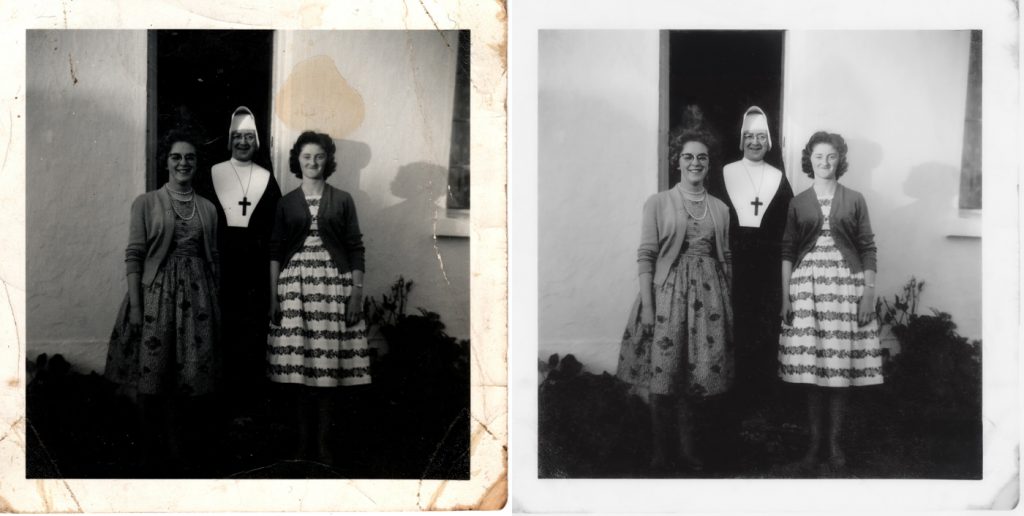
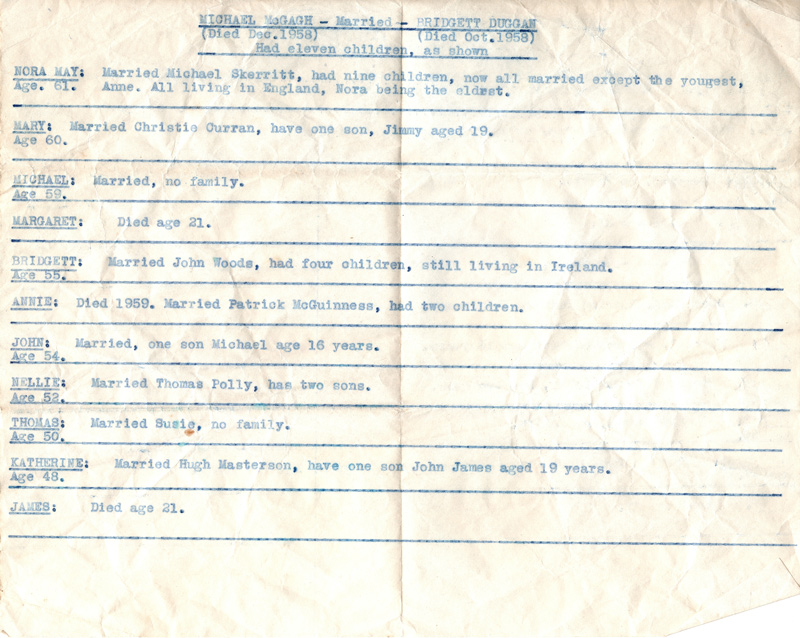
Before you open a single website, gather what’s already in the house. Speak to your family, ask about old letters, prayer cards, family Bibles, funeral notices, naturalisation certificates, and even the back of framed photos can hold the most important clue of all: the exact townland name.
In Irish genealogy, that one detail can change everything.
2. Master your townland
This is the key to almost every Irish record.
Townlands are Ireland’s smallest land divisions, with more than 62,000 of them. Nearly all surviving Irish genealogy records are organised by townland, rather than surname.
Use:
- SWilson’s Place Name Index for variations
- logainm for official place name spellings
If your great-grandmother’s birthplace appears as “Ballynagloch,” check for Ballynaglogh, Ballynaglough, or simply Glough. These subtle shifts matter.
3. Make Griffith’s Valuation your best friend
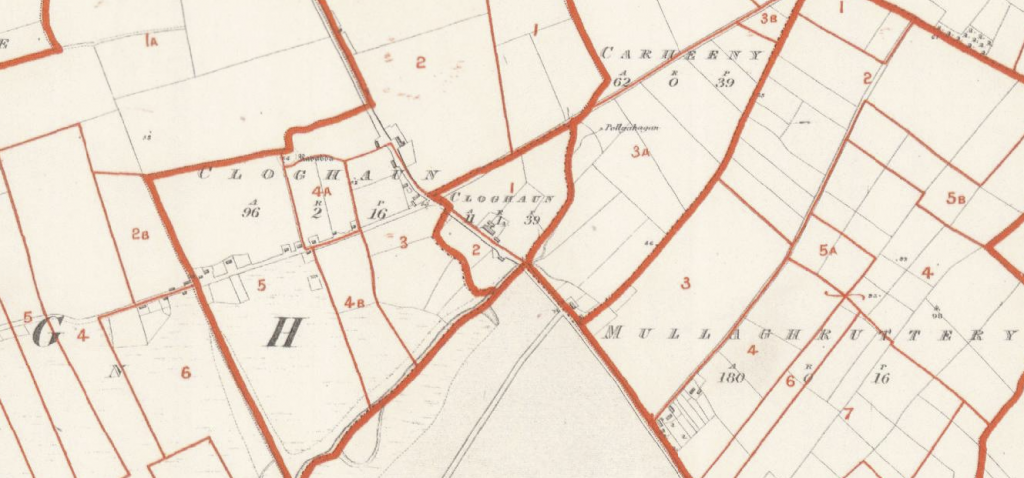
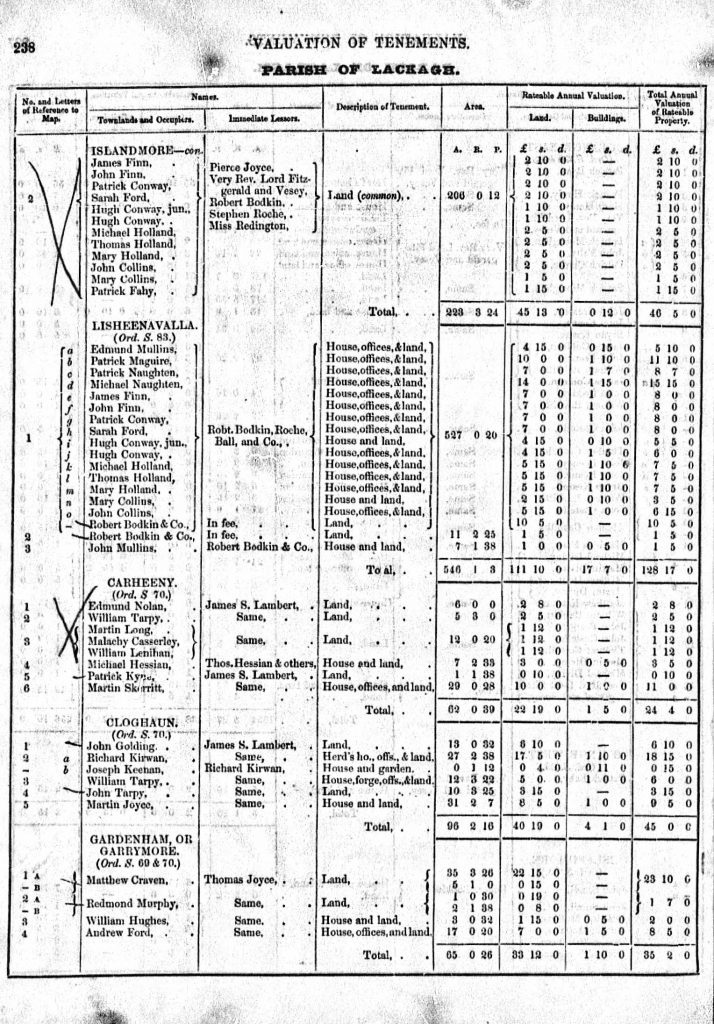
Griffith’s Valuation (1847–1864) is the most powerful surviving substitute for the lost mid-19th-century censuses. It lists every occupier of land or property and ties them to specific plot numbers on detailed maps.
Available free at askaboutireland.ie, it can help you pinpoint exactly where your ancestors lived, the land they worked, where they lived and the shape of their farm.
4. Search the Whole Parish, not Just Your Ancestor
Catholic parish registers are now freely available on irishgenealogy.ie and the National Library’s website. Don’t just look for the one baptism you expect.
Search:
- siblings
- cousins
- witnesses
- recurring surnames
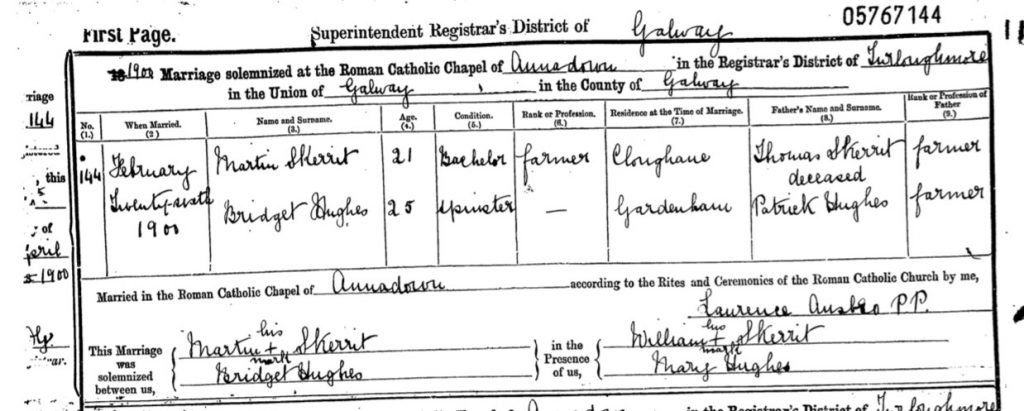
Witnesses in Irish records often turn out to be grandparents, uncles or siblings, so see these references as a quiet breadcrumb trail left by families who didn’t leave many written documents.
5. Don’t forget the Tithe Applotment Books (1823-1837)
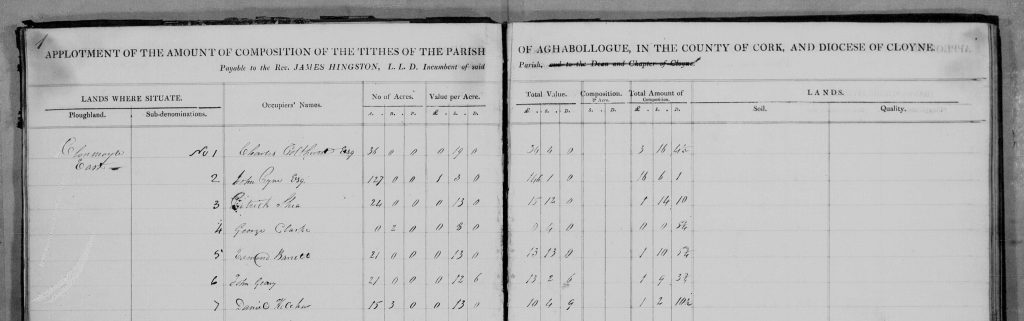
Another important pre-Famine land survey, especially useful in areas where Church of Ireland records survived more fully. These are free on the National Archives of Ireland website and can anchor a family in a parish decades before civil registration began. Tithe Applotment Books (1823–1837)
6. Use traditional Irish naming patterns as a roadmap
The naming system wasn’t just tradition; it acted as a built-in family tree.
Typical pattern:
- 1st son → father’s father
- 2nd son → mother’s father
- 1st daughter → mother’s mother
So if your ancestor is the eldest son born in 1865 and named Patrick and his father is Michael, chances are very strong that Michael’s father was also Patrick. Patterns don’t solve a line on their own, but they narrow possibilities dramatically. Have a read of a letter from Ireland for a better understanding of naming patterns.
7. Lean on DNA, it’s often the only way past the 1820s
Because so many Irish documents were lost, DNA testing, especially AncestryDNA which is essential for breaking through early 19th-century brick walls.
Irish DNA clusters tend to be tight-knit and localised even a modest match can be the key to unlocking an entire branch.
8. Never rely on the county alone
“I’m from Galway” is lovely to hear, but genealogically speaking, it’s almost useless. Galway contains over 160 civil parishes with approximately 4,474 townlands. Always follow the clues to find your townland.
9. Essential websites for Irish genealogy research
- www.irishgenealogy.ie — civil registration & church records
- rootsireland.ie — paid, but the most complete collection of parish registers
- findmypast.ie — census fragments, dog licences, petty sessions
- proni.gov.uk — exceptional resource for Northern Ireland, especially the revision books
10. Know when to get help
Irish research is more complex than British genealogy, and that’s simply down to the nature of the surviving records. After you’ve explored the main archives and free websites, a professional Irish genealogist can often make breakthroughs using local sources, valuation books, and regional archives that aren’t online.
Irish ancestry is challenging, but the discoveries are worth it
Irish genealogy is rarely straightforward and often time-consuming, but when a surviving baptism, land record, or parish witness suddenly connects generations, it’s unforgettable.
If you’re ready to explore your Irish side, you can book a free 30-minute call with me. We’ll review what you already know, identify the best surviving records for your family’s county, and map out a practical research plan — no pressure, just clear guidance.
Let’s bring your Irish ancestors home.
Leave a Reply